Research Overview
Although most of my research falls into one of the “bins” below, my students have worked on a diverse set of problems including:
- developing methods for modeling regime shifts in shallow lakes
- evaluating camera-based study designs for monitoring multiple carnivore species
- exploring the distribution, habitat use, and migration of sandhill cranes and trumpeter swans that breed in MN
- using camera traps and acoustic monitoring to inform management of multi-use landscapes in Colombia
- using hidden Markov models and movement data to infer infection status of free-ranging wildlife
A full list of publications can be found on my google scholar page.
Areas of Concentration
Interfacing Theory and Practical Applications
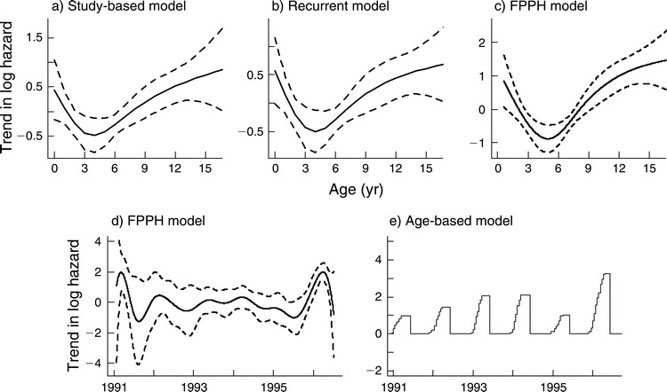
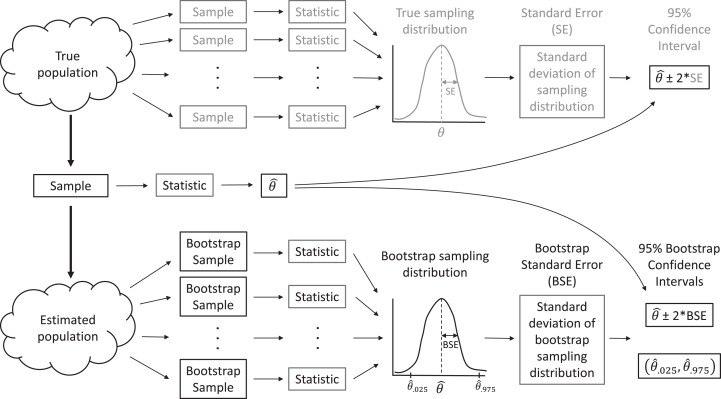
Research aimed at identifying and demonstrating appropriate use of statistical tools in ecological research.
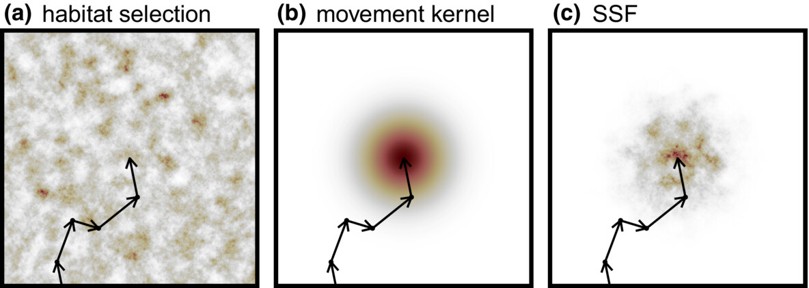
Integrated step-selection functions
Methods and tools for modeling animal movement and habitat selection using integrated step-selection functions.
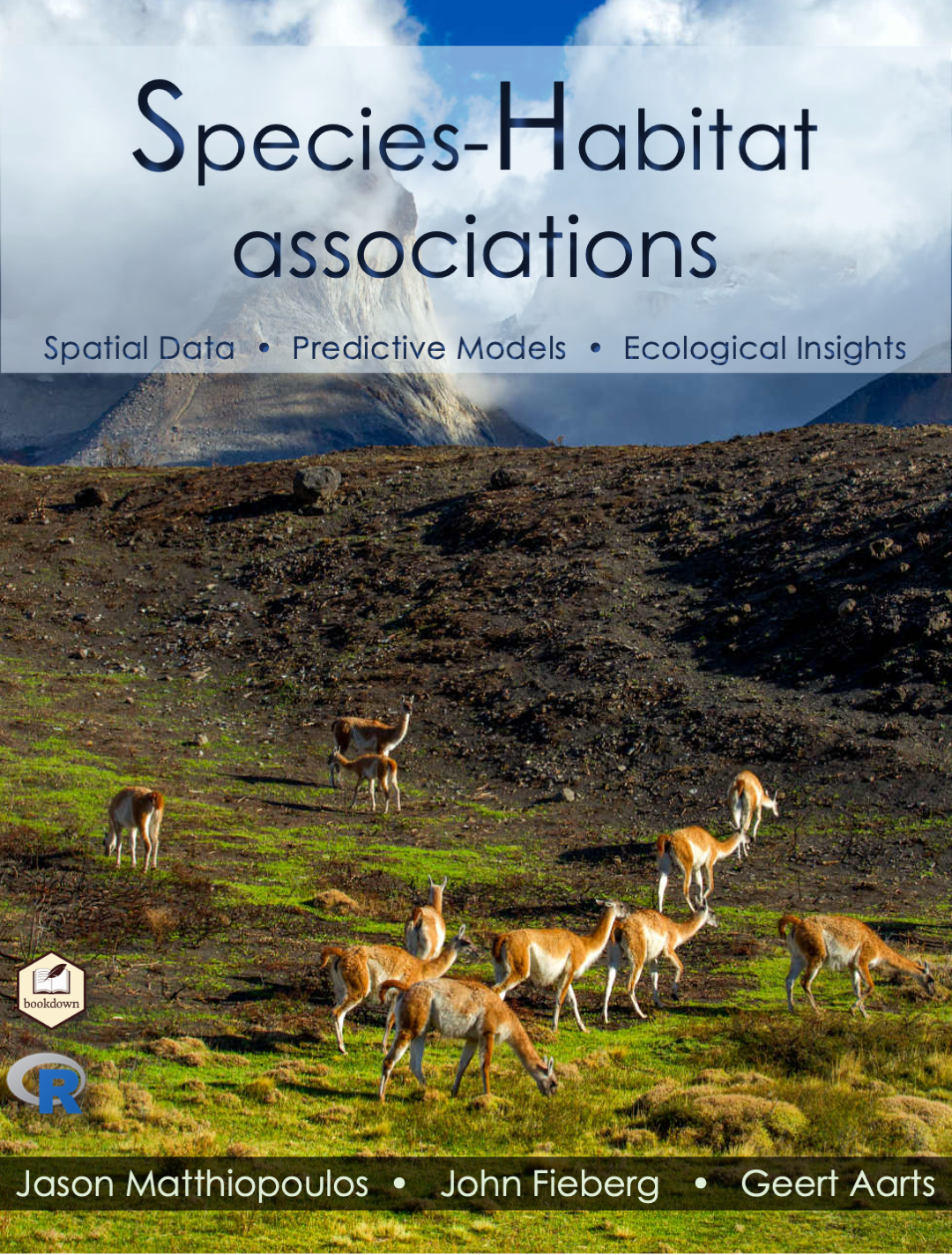
Habitat selection and Species Distribution Models
Methods for modeling habitat selection and species distributions.
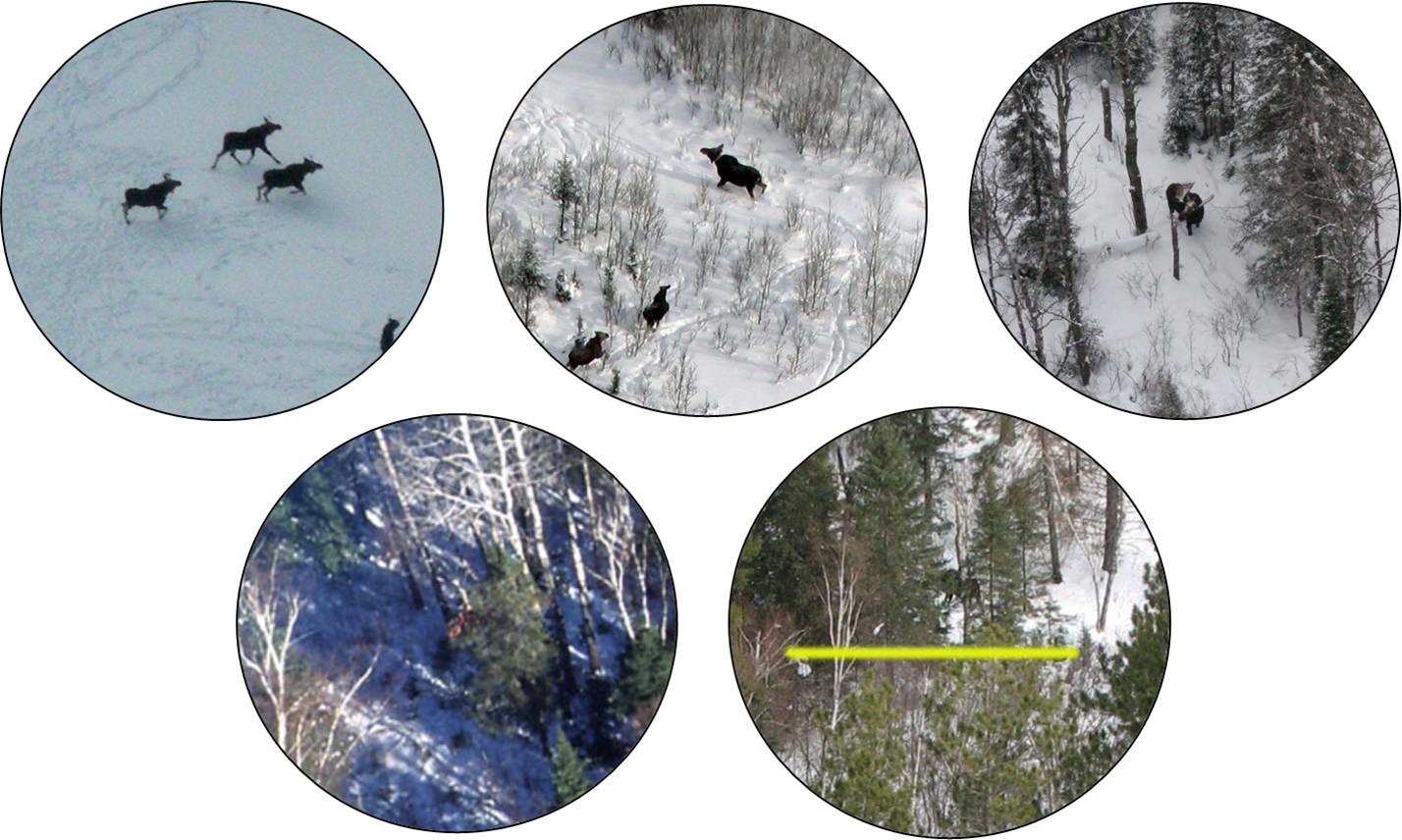
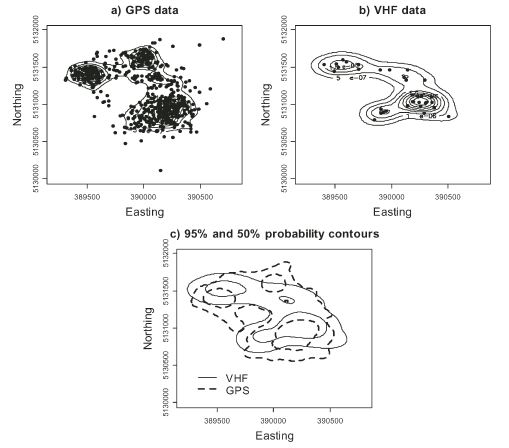
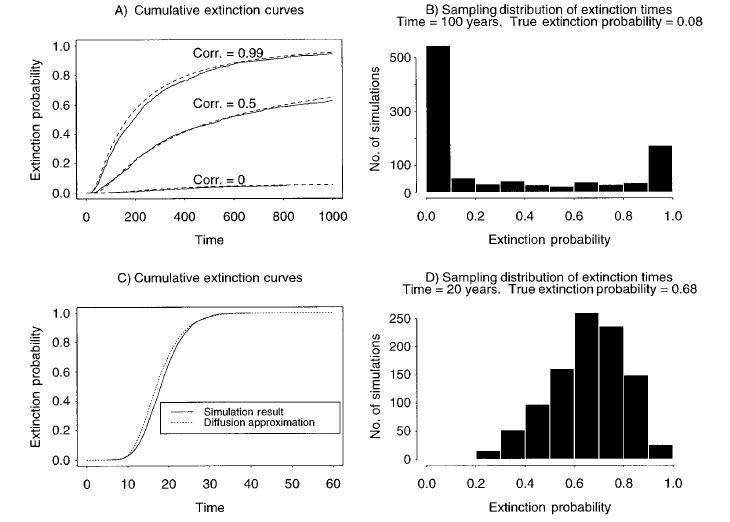
Population Viability Analysis (PVA)
Developed robust approaches for estimating extinction risks and evaluating management scenarios for sensitive species.